MUTCU BLOGS

We Inspire Love, Hope and Godliness

Category: Christian Growth

  • DAME OF DILIGENCE: THE PROVERBS 31 WOMAN

    DAME OF DILIGENCE: THE PROVERBS 31 WOMAN

    Gentlemen, this article is penned by a woman for women, but nothing stops you from reading along, after all, who among you doesn’t secretly admire a woman of valor? Men and women coexist beautifully, each bringing unique strengths to life’s dance. Yet today, we turn to the sisters with a timeless challenge from Scripture: Who can find a virtuous wife? For her worth is far above rubies. (Proverbs 31:10). Campus life beckons at young christian women with fresh friendships and bold dreams. Yet temptations whisper: late-night texts from guys, sleepover invites masked as study help, parties louder than Christian Union calls. Pressure builds in dorm chats and within the school streets. Will you bend or rise? Enter the Dame of Diligence and see how she turns these tests into triumphs. Follow through as we answer this query together.

    First we talk about her character that radiates inner strength. She brings him well, not harm, all the days of her life. (Proverbs 31:12) You mean all the days of her life? How is that possible? This certainly talks about consistency. You see, character is most often seen by others yet it is made. Not on the outside but in the inside. Looking at the bible, there are several accounts of women whose characters were excellent and some who were downright wicked. Mary for instance is one of my favorites. Mary, the mother of Jesus, stands out in the Bible as a woman of profound humility, vibrant faith, and courageous obedience that perfectly mirrors the noble character of Proverbs 31. When Gabriel announced her divine calling, she humbly declared, “I am the Lord’s servant; may it be to me as you have said” (Luke 1:38), embracing scandal and hardship without complaint from explaining her pregnancy to Joseph, fleeing to Egypt, and standing at the cross.  Her reflective heart pondered God’s words deeply. In stark contrast to Mary, Jezebel emerges in the Bible as a woman of destructive pride, manipulative idolatry, and cruel defiance that utterly rejects the noble character of Proverbs 31. As wife to King Ahab, she aggressively promoted Baal worship, slaughtered God’s prophets, and orchestrated Naboth’s false-accusation murder to seize his vineyard for greed (1 Kings 18:4; 21:1-16), reveling in power without humility or fear of the Lord embodying the opposite of strength with dignity or wise speech (Proverbs 31:25-26). While Mary’s yielded faith turned trials to testimony, Jezebel’s unrepentant rebellion brought judgment, warning against women who wield influence for evil.

    Secondly, her diligence never rests. Diligence means steady, careful, and energetic effort over time, often tied to faithfulness in work, planning ahead, and serving others without laziness. She watches over the affairs of her household, and does not eat the bread of idleness. (Proverbs 31:27,). Imagine a nursing student who is crafting bead bags for sale, channeling earnings to aid first-years’ fees. She wakes before dawn, studies then goes around school selling her stuff. Hard work turns modest starts into mighty impacts. especially in Proverbs 31, where the noble woman rises early, works willingly with her hands, and provides for her household (Proverbs 31:13-15, 17).​ A prime historical example is Susanna Wesley (1669–1742), mother of 19 children including John and Charles Wesley, founders of Methodism. Amid poverty and her husband’s frequent absences, she rose before dawn for personal Bible study, managed the family farm, educated her children meticulously (two hours daily per child), and discipled them in faith shaping global revival through her tireless home leadership. Now this is diligence.

    The Proverbs 31 woman radiates foresight and mission-driven purpose, shrewdly assessing opportunities and investing wisely for her household’s thriving future, as verse 16 affirms: “She considers a field and buys it; out of her earnings she plants a vineyard” (Proverbs 31:16). This mirrors Ruth’s bold persistence in gleaning Boaz’s fields, securing redemption and a legacy in David’s line (Ruth 2:2-3; 4:9-10). As author Elisabeth Elliot wisely noted on foresight, “The woman who is truly disciplined is the one who can say no to the trivial and yes to the eternal,” echoing the noble woman’s confident laughter at days ahead (Proverbs 31:25).

    Elisabeth Elliot

    The Proverbs 31 noble woman possesses incomparable worth “far above rubies” (Proverbs 31:10), carrying herself with majestic grace and unyielding poise because her identity roots deeply in God’s unchanging truth as His beloved daughter a royal princess secure in her Heavenly Father’s embrace, not in fleeting human validation. She rejects the trap of seeking approval from men’s glances or words, standing firm against lures of compromise or ill intent, for she knows her value flows solely from Christ’s redemption: “Charm is deceptive, and beauty is fleeting; but a woman who fears the Lord is to be praised” (Proverbs 31:30). No applause or criticism can shake her; clothed in strength and dignity,

    Sisters, embrace the Dame of Diligence as your living reality attainable, not unattainable! Her noble spirit pulses in every Proverbs 31 verse, calling you to priceless worth, shrewd foresight, graceful poise, and joyful labor rooted in God’s truth. Yes, it’s truly possible: ordinary women like Mary and Ruth became extraordinary through yielded faith. “Many daughters have done virtuously, but YOU surpass them all!” (Proverbs 31:29). Rise now and claim your legacy, live it boldly, and watch God multiply your every step into eternal impact!

  • ROOTED AND BUILT UP IN CHRIST

    The Christian life is more than a single moment of salvation; it is a lifelong journey of growth, depth, and maturity in Christ. In Colossians 2:6–7, Paul exhorts believers that just as they received Christ Jesus as Lord, they should continue to live in Him, rooted and built up, established in the faith as they were taught, and overflowing with thanksgiving. This passage shows that true spiritual stability flows from a continuous walk with Christ, not from a one-time experience.

    To be rooted in Christ speaks of our inner life and foundation. Roots grow quietly beneath the surface, yet they determine the strength and health of the whole tree. In the same way, believers are rooted in the love of Christ. Scripture reminds us that “God’s love has been poured out into our hearts through the Holy Spirit” (Romans 5:5), and that we are to be “rooted and established in love” (Ephesians 3:17). When love becomes our foundation, obedience is no longer driven by fear or pressure, but by a genuine response to God’s grace.

    Being built up in Christ shapes our identity. Our faith is not grounded in who we used to be or what the world says about us, but in who Christ declares us to be. Paul affirms that in Christ “you have been brought to fullness” (Colossians 2:10), and that “if anyone is in Christ, he is a new creation” (2 Corinthians 5:17). A clear identity in Christ establishes believers in truth and protects them from deception, giving confidence that is anchored in grace rather than self-effort.

    Our faith is not grounded in who we used to be or what the world says about us, but in who Christ declares us to be.

    Restoration is continuous. Though we are saved, we often carry wounds from sin, broken relationships, or past failures. Scripture assures us that God is able to restore what was broken, reconciling us to Himself through Christ (Colossians 1:21–22) and renewing our inner life day by day (Psalm 51:12; Isaiah 61:3). This restoration strengthens faith and allows believers to grow with wholeness and sincerity.

    Jesus taught that those who abide in Him bear much fruit, and that this fruit brings glory to the Father (John 15:5, 8). When believers are grounded in love, secure in their identity, and continually renewed by God, their lives begin to reflect Christ in visible ways. Their words, actions, and gratitude, echoing Paul’s call to live lives that overflow with thanksgiving (Colossians 2:7), become a testimony and bring fruitfulness by impacting others for God’s Glory.

    To be rooted and built up in Christ is to grow deep in faith, stand firm in truth, and live with purpose. Such a life is steady, fruitful, and marked by the transforming presence of Christ.

    By
    Peter Vaati
    Music Ministry Coordinator

  • “I AM BACK:Breaks are not the end, they are God’s reset for a greater beginning.”

    Hey there, young Christian!
    How are you? How have you been? It’s been a while since we last interacted in this space, but I’m glad to say—we’re back!

    It’s been about four months since we were last here, and in that time, a lot has happened. We’ve had our highs and our lows, but through it all, we thank the Lord for His mercies and grace.

    Today, I want us to talk about breaks and stepping back—especially as a Christian. Just like seasons change, sometimes in our walk with Christ we may need to pause, reflect, and let God strengthen us.

    Ecclesiastes 3:1“There is a time for everything, and a season for every activity under the heavens.”

    Yes, there is a time for everything—a time to work very hard and a time to rest. And resting is not a sin. The real question is: What do you do in that moment of rest?

    Isaiah 40:31“But they that wait upon the Lord shall renew their strength…”

    When you step back, wait on the Lord. Meditate on His love while He prepares you for the next season. Stepping back doesn’t mean giving up—it’s often part of God’s process of renewal.

    Mark 6:31“Come with me by yourselves to a quiet place and get some rest.”

    Even when life pauses or gets hard, God restores. Think of Job: though he faced unimaginable trials, he remained faithful. His story reminds us that breaks are not failures—they are divine pauses that shape us for deeper growth.

    Taking a step back allows us to return stronger in faith, clearer in purpose, and more committed in service.

    And remember—
    Philippians 1:6“He who began a good work in you will carry it on to completion until the day of Christ Jesus.”

    So, if you’re in a season of stepping back, don’t feel guilty. Instead, lean into God’s grace, knowing that your comeback will be greater than your setback.

    See you more on this space.you are unique,you are loved,you are cherished.

  • CHOICES AND DECISIONS

    On average, a normal human being makes about 33,000 to 35,000 decisions in a day! So what are choices and decisions? Choices are possibilities whereas decisions are commitments to the choices!

    Choices either big ones or small ones are all important. Most of us and some organizations do focus on the big ones and neglecting the small ones. The seemingly small ones are always the most powerful in our lives. When to wake up, what to eat, what to drink, what to wear together with a myriad more are choices we have to make on a daily basis.

    Biblically we find in the 30th chapter of Deuteronomy the prophet Moses addressing the people of Israel with some strong words. He tells them that it is upon them to choose between life and blessing, cursing and death but it is all up to them. However he advices them to choose the former.

     Prophet Moses knew it all and that is why he saw it wise choosing life over death and blessing over cursing.

    Joshua also comes to the same situation at the closure of his tenure where he addresses the children of Israel concerning the worship of the God of Israel and the worship of the gods of the Amorites and the other gods on the other side of the river. He puts it clear that for him he has made a decision to worship the God of Israel. ‘But as for me and my house we shall serve the Lord’.

     With this, we see that choices have implications to not only us as individuals but also to our families, communities, nations and to the generations to come after us.

    Can a red lenses and yellow lenses have the same view? It is high time we as Christian-believers we arise and have better, biblically thought choices and decisions in our daily walk.

    Imagine of an entire nation full of integrous people! A nation full of people whom not only revere God in their churches but more so in their social media handles and the Memes.

    What choice of words do we take in times of distress or adversity? (Psalm 86:7) What are the first words we utter to ourselves each morning? How do we respond to strangers?

    There are lenses we can and should view our choices and decisions and truly, we can never remain the same again. ‘Love your enemy as you love yourself’, just imagine that!

    The life we are living today is because of the choices we have made all along! It is time we make the right choices for us and the generations to come! Let us not pass down misery and suffering but rather wisdom and wellness. More so, we spread Jesus who is the LORD to all generations.

    Let it be our prayer that each decision made each day shall all be from the view of the LORD and not the world. Matters relationships, finances, family and lifestyle.

     That we shall live each day with so much gratitude and love to God and decide to do things God’s way.

    That our view of life and choices shall shape our lives as Christians with such grace and beauty.

    Written by Collins Kiptoo

  • DEFINITION OF MENTAL HEALTH TO A CHRISTIAN

    Mental health is the emotional, psychological and social of wellbeing of each one of us .Being a Christian is a journey of discovery,self reflection and a journey that is both filled with love and pain.And all I can say is that it’s a beautiful journey.

    Whenever I hear the word mental health as a Christian,the first thing that comes to my mind is the different Biblical characters that endured it through it all for salvation.Maybe back in those days there wasn’t a word to describe whatever they were going through but through their tremendous journey,a new world was created for us and we now call it today Mental health.

    One of the best examples to give is Jesus’s sufferings and all the events that occured.Jesus’ suffering, as described in the Bible, reflects many aspects of human mental health struggles, such as distress, loneliness, anxiety, and even despair. His experiences provide insight into emotional pain and how faith can play a role in coping.
    In Luke 22:41 the Bible says that “and being in anguish he prayed in anguish and His sweat was like drops of blood falling to the ground “

    This describes Jesus extreme stress and emotions.He underwent an extreme condition called hematidosis which comes about due to extreme stress.

    Luke 22:48 describes Jesus feeling betrayal after Judas had betrayed him with a kiss someone who was close and dear to Him.Jesus despite being the son of God,was able to relate to human emotions and distress.
    We often feel overwhelmed as Christians sometimes due to the occurrences we face.We often get betrayed by people close to us, friendships end, overwhelming life apart from our Christian life and ministry.
    Jesus faced rejection by His own people in Nazareth and that was linked to loneliness and a sense of social anxiety.(John 1:11).
    He came to that which was his own but his own did not receive him
    There are days that we may feel rejected,alone and abandoned as Christian.Sometimes people or even our friends may not accept us because of our faith.

    There has been many instances that Jesus had to seek solitude.Not because he was bored or didn’t want company but because he needs to process and understand his emotions.
    In Mark 1:31 the Bible describes ,” early in the morning Jesus got up and left the house and went to a place of solitary to pray “
    Jesus often retreated to places alone to part and reflect.This demonstrates healthy coping mechanisms when facing heavy emotions and a time to think and Pray to God.

    As Christians, we must acknowledge that mental health is real and that faith does not exempt us from emotional struggles. However, through Christ, we have a source of hope, healing, and guidance. Just as Jesus endured suffering yet remained faithful, we too can navigate our challenges with God’s help. Seeking support, talking to trusted friends, and taking care of ourselves spiritually and emotionally are all part of maintaining good mental health.

    Remember, even in moments of distress, God is with us. And just as Jesus found strength in prayer, so can we. Mental health matters, and so do you.

    WRITTEN BY NJOKI WENDY

  • Chastity is a word that often evokes mixed reactions among young people, especially university students navigating their faith in a world that often promotes contrary values. To many, chastity seems like an outdated concept, irrelevant in modern relationships. However, for a Christian, chastity is not just about abstaining from sexual immorality—it is a call to purity, self-control, and honoring God with our bodies and hearts.

    What is Chastity?

    Chastity is a virtue that calls us to honor God in our thoughts, actions, and relationships. It is more than just abstinence; it is about having a heart that seeks holiness and purity in all aspects of life. In 1 Thessalonians 4:3-5, Paul writes, “It is God’s will that you should be sanctified: that you should avoid sexual immorality; that each of you should learn to control your own body in a way that is holy and honorable, not in passionate lust like the pagans, who do not know God.” This scripture reminds us that chastity is about living a life that reflects God’s will, rather than conforming to worldly passions.

    Chastity also involves discipline over our desires and emotions. It is not about suppressing natural feelings but about channeling them in a way that glorifies God. The world may promote the idea that personal happiness is found in fulfilling every desire, but as followers of Christ, we are called to something greater—living in a way that brings eternal joy and peace rather than temporary gratification.

    The Purpose of Chastity

    Many of us struggle with the idea of chastity because they see it as restrictive rather than liberating. But in truth, chastity is a gift that protects us from emotional wounds, broken relationships, and spiritual compromise.

    Honoring God with Our Bodies – 1 Corinthians 6:19-20 states, “Do you not know that your bodies are temples of the Holy Spirit, who is in you, whom you have received from God? You are not your own; you were bought at a price. Therefore honor God with your bodies.” Our bodies are sacred, and practicing chastity is one way of worshiping God through obedience.

    Preserving Emotional and Spiritual Wholeness – Many people carry deep emotional wounds from relationships that did not honor God. Chastity safeguards our hearts from unnecessary pain and regret. Proverbs 4:23 advises, “Above all else, guard your heart, for everything you do flows from it.” This means being intentional about our relationships and maintaining boundaries that reflect God’s standards.

    Living as a Testimony – In a world where promiscuity is often normalized, choosing to live chastely is a powerful testimony of faith. Matthew 5:16 encourages us, “Let your light shine before others, that they may see your good deeds and glorify your Father in heaven.” By practicing chastity, we become examples of God’s grace and a source of encouragement for others struggling with similar challenges.

    Strengthening Future Marriages – Many who embrace chastity find that it lays a strong foundation for their future marriages. Waiting until marriage fosters trust, respect, and deeper emotional intimacy with one’s spouse. Hebrews 13:4 states, “Marriage should be honored by all, and the marriage bed kept pure, for God will judge the adulterer and all the sexually immoral.” When we choose to wait, we demonstrate faith in God’s perfect plan for relationships.

    Overcoming the Challenges

    Living a chaste life is not easy, especially in a setting where peer pressure, social media, and cultural influences push against biblical values. However, God’s grace is sufficient. Here are a few practical steps to help you uphold chastity:

    Stay Rooted in God’s Word – The more we meditate on scripture, the more our hearts align with God’s will. Psalm 119:9 asks, “How can a young person stay on the path of purity? By living according to your word.”

    Choose Your Company Wisely – 1 Corinthians 15:33 warns, “Do not be misled: ‘Bad company corrupts good character.’” Surround yourself with friends who encourage you in your faith and share the same values.

    Set Clear Boundaries – Know your limits and do not compromise. Setting physical, emotional, and digital boundaries can help protect your commitment to chastity.

    Seek Accountability – Having a mentor or being part of an accountability group can provide the support needed to remain steadfast in this journey.

    Rely on the Holy Spirit – We are not called to live chastely on our own strength. The Holy Spirit empowers us to resist temptation and walk in purity. Galatians 5:16 says, “So I say, walk by the Spirit, and you will not gratify the desires of the flesh.”

    Flee from Temptation – Sometimes the best way to overcome temptation is to avoid situations that may compromise your commitment to chastity. 2 Timothy 2:22 instructs, “Flee the evil desires of youth and pursue righteousness, faith, love and peace, along with those who call on the Lord out of a pure heart.”

    Engage in Purposeful Activities – A life devoted to God’s purpose leaves little room for distractions that lead to compromise. Pursuing studies, ministries, and hobbies that glorify God can keep our focus on His will.

    Encouragement for the Journey

    It’s important to remember that chastity is not about perfection but about progression. No one is beyond God’s grace, and if you have struggled in this area, know that God’s mercy is always available. 1 John 1:9 assures us, “If we confess our sins, he is faithful and just and will forgive us our sins and purify us from all unrighteousness.”

    God’s design for chastity is not to burden us but to bring us freedom—freedom from regret, guilt, and emotional pain. It’s a way of saying “yes” to His best plan for us. As we walk this journey, let us rely on His strength and remember that we are never alone.

    Written by Zack.

  • Think about it. Self-doubt is a struggle we all face at least once in a lifetime. It’s a crippling feeling that makes us question our adequacy, our strengths, our creativity. It’s a voice of insecurity of our worth. Good news, you’re not alone and it’s not permanent. We can move from self-doubt and in to self- confidence. How can we do that?

    • Understand where self-doubt stems from.

    Self- doubt thrives on comparison with others, our own past experiences or fear of failure. These feelings are not from God, but the enemy.
    2 Timothy 1:7
    “For God has not given us the spirit of fear but he has given unto us the spirit of power, the spirit of love and a sound mind.”

    • Who are you in Christ?

    Self- doubt comes with false beliefs that you are not worthy, that you are not good enough or that you will always fail.
    Your value does not find its roots in what you achieve, what others have achieved or how others view you but in the unwavering love of God.

    1 Peter 2:9
    “But you are the chosen race, the King’s priests, the holy nation, God’s own people, chosen to proclaim the wonderful acts of God, who called you out of darkness into his own marvellous light.”
    You are God’s special possession. You are treasured by him and your confidence should flow from that truth.

    •Make a conscious decision to step out of that situation.

    Confident doesn’t come to get you at your front door. It grows when you take small steps to towards what you want to achieve.

    Joshua 1:9
    “Remember that I have called you to be determined and confident! Do not be afraid or discouraged, for I, the Lord your God, am with you wherever you go.”

    With God by your side, you are safe to risk take, to face challenges head-on and he will guide you every step of the way. Courage is not the absence of fear but the decision to move forward despite feeling afraid.

    • Be around encouraging people.

    Surround yourself with people who uplift you and speak life into your dreams and be that person for others as well.
    Thessalonians 5:11
    “And so encourage one another and help one another, just as you are now doing.”

    •Trust in God’s plan
    God has a perfect plan and purpose for your life. So let go of your fears and embrace the journey with confidence. God’s got you!
    Jeremiah 29:11
    “I alone know the plans I have for you, plans to bring you prosperity and not disaster, plans to bring about the future you hope for.”

    Written by Vanesa Kiarie.

  • FINANCIAL MANAGEMENT.

    INTRODUCTION TO  FINANCIAL MANAGEMENT.


    Financial management is the process of planning, organizing, directing, and controlling the financial activities of an individual or organization. This encompasses the acquisition, allocation, and utilization of funds to achieve financial objectives. Whether for personal affairs or business operations, financial management is crucial. For students, mastering these skills can pave the way for fewer financial stresses and greater opportunities post-graduation. In a business context, effective financial management ensures profitability, sustainability, and growth, while in a personal context, it enables individuals to achieve their life goals without accumulating unmanageable debts.

    KEY CONCEPTS OF FINANCIAL MANAGEMENT.

    1. Budgeting: A budget is a financial blueprint that outlines expected income and expenditures over a specified period. Budgeting helps track spending and identify areas where you can save. It’s essential to categorize expenses into fixed (like rent) and variable (like entertainment) to ensure that you live within your means. A well-structured budget promotes informed spending and helps avoid financial pitfalls.

    2. Saving: Saving is setting aside a portion of your income for future needs or emergencies. A general rule is to save 20% of your income where possible. Student life may not lend itself to significant savings due to limited funds, but even small amounts can accumulate over time. Tools like high-yield savings accounts can help your savings grow, making it easier to cover unexpected expenses without resorting to debt.

    3. Investing: While investing might seem out of reach for a university student, it can start with small contributions. Investing is putting your money into assets like stocks, bonds, or mutual funds with the expectation of earning a return. Learning the basics of investing early can set the stage for financial independence later in life.

    4. Debt Management: For many students, debt is a reality, especially when it comes to student loans. Effective debt management entails understanding the terms of your loans, making timely payments, and avoiding high-interest debts like credit cards. Developing a debt repayment strategy  can keep you on track and minimize stress.

    STEPS FOR FINANACIAL PLANNING.


    Creating a financial plan is fundamental in guiding your financial decisions. Here are steps to develop an effective financial plan:

    1. Assess Your Current Financial Situation: Evaluate your income, expenses, debts, and savings.
    2. Set Financial Goals: Differentiate between short-term  and long-term  goals. Having clear objectives provides direction and motivation.
    3. Create a Budget: Outline how your income will be allocated toward your goals and daily expenses.
    4. Develop a Savings Plan: Decide how much you want to save and consider automatic transfers to a savings account.
    5. Invest Wisely: Identify investment opportunities that align with your risk tolerance and financial goals.
    6. Monitor and Adjust Your Plan: Regularly revisit your financial plan as your circumstances change.

    Setting both short-term and long-term financial goals is crucial for maintaining motivation. Short-term goals can give you a sense of achievement, while long-term goals can help you stay focused on the bigger picture.

    TOOLS AND RESOURCES FOR FINANCIAL PLANNING.


    In today’s digital age, several tools can facilitate financial management for students:

    – Chumzz: This budgeting app allows you to set savings goals and track expenses. It’s user-friendly and ideally suited for busy students.
    – Mint: A popular budgeting tool that helps to manage all financial accounts in one place, providing insights to stick to your budget.
    – YNAB (You Need A Budget): This app emphasizes proactive expense management, great for those who want to take charge of their finances.
    – Investment Platforms: Apps like Robinhood or Acorns are excellent for students wanting to dip their toes into investing.

    COMMON MISTAKES IN FINANCIAL MANAGEMENT.


    Navigating financial management can be tricky, and many people  fall into common traps:

    1. Lack of a Budget: Many underestimate the importance of budgeting. Start one to avoid overspending.
    2. Ignoring Sabotaging Habits: Spending impulsively on non-essentials can derail financial progress. Implement the 24-hour rule—wait a day before making non-essential purchases.
    3. Neglecting Savings: Skipping savings due to limited income can hurt you during emergencies. Even small amounts can add up over time.
    4. Underestimating Debt: Failing to keep track of debt can lead to overwhelming pay-offs. Utilize a debt tracker to manage repayment.
    5. Not Seeking Help: Resources like financial literacy workshops or  financial advisors can provide insights. Don’t hesitate to ask.

    CONCLUSION.

     Mastering Financial Management

    Financial management is an essential skill every one should master. By understanding budgeting, saving, investing, and debt management, one can enjoy their many  years without financial stress. Taking the time to create a financial plan and utilizing the right resources can set the foundation for a secure financial future. Avoiding common pitfalls and staying disciplined can lead to a cycle of financial wellness. Remember, it’s never too early to start making informed financial decisions—your future self will thank you.

    Written by Zack Njenga.

  • COME MEET MY ROLE MODEL BY HENRY ORIATO

    COME MEET MY ROLE MODEL BY HENRY ORIATO

    The cruelest and dumbest thing I ever did to myself was getting life inspiration from a gangster. ooh my!! Up to date, I’m still learning to forgive myself!
    Let me explain; so growing up before finding my true identity in Christ, I wanted to become a hip-hop artist just because I saw them flaunting lots of money and the world celebrating them, I was blindly drawing inspiration from them without accessing if the lifestyle they lived day to day was acceptable before the eyes of God. This really affected my relationship with God and also people around me, because the attitude and behavior I carried was more on the toxic side.

    From my personal experience, I can deduct that most of the time our personality is always greatly influenced and affected by our role models.!
    And for this reason, Paul urged us to follow his example as he follows Christ’s example

    Imitate me as i also imitate Christ. (1 Cor 11:1).

    Well, Jesus grew in favor with God. God from heaven spoke out on how He was pleased with him because of committing to God’s will in every situation even to the point of death! I really wonder why the society can’t normalize making Christ a role model to all! I mean He never did wrong nor rejoiced in wickedness nor entertained religious hypocrisy and was always in right standing with God. What a perfect model!

    Drawing identity from Christ is the best thing one can do to themselves. Christ was the Son of God, so you also stand a chance to become a child of God. He was holy and blameless, so one is also conformed to the holiness and righteousness of God, in Him is life so as to draw eternal life from Him and so on…

    oriato.H

    No other foundation can we lay than that which is in Christ. When the word says that we should literally follow Jesus, it means that exactly. He is the greatest role model. Do you want to live an excellent life? look at the excellent model. Do you want to mean if our spiritual foundation is set right and there’s the good “fear” of God, then every other aspect of life and the society will be set in place.

    Nevertheless, i do not want to rule out the importance of us having role models. A role model is a person whose behavior, example, or success serves as a model for others to emulate, particularly younger individuals. The concept emphasizes the influence that role models have on shaping the values, aspirations, and behaviors of those who look up to them.

    Most Christians fall prey of the ideology that the they do not need someone to emulate because they have Jesus as their perfect example. This is so wrong. It is loud pride and lack of wisdom. In real sense,we do not just need role models but we need saved ones. What fellowship can we have with those that are not in the kingdom? Role models play important roles in our lives.

    Role models can be family members, public figures, teachers, relatives and so on and so fourth. They play an important role in not only shaping our behaviors but significantly influence the moral compass of individuals, shaping their beliefs and ethical standards. Positive role models can lead to enhanced self-esteem and resilience. It is also important to note that the choice of role models can affect career paths and aspirations. For instance, individuals pursue careers in fields where they see successful figures who share similar backgrounds or interests.

    I hope that this has challenged you to have a role model if you don’t. Find a role model in the church community,business world and the international setting. Let them be the kind to challenge you that as you are building your capacity intellectually, socially and economically,your spiritual life is also built. Do not settle for less even as you look unto your role models. Know what you stand for and uphold your values.

    lastly, We all have a responsibility of being role models to other in speech,love,conduct,love,purity as brother Paul would say. If not you then who? Christians need to be found in the corporate world having successful businesses, owning great companies and being the cream of the society. Every believer is also called to be a role model. This reciprocal relationship means that individuals must strive to reflect Christ’s character in their own lives, thereby influencing those around them positively. Spread your wings out there, explore opportunities do not settle for less. Someone out there is looking up to you. Be encouraged.

    Christians need to be found in the corporate world having successful businesses, owning great companies and being the cream of the society.

    by Ms k
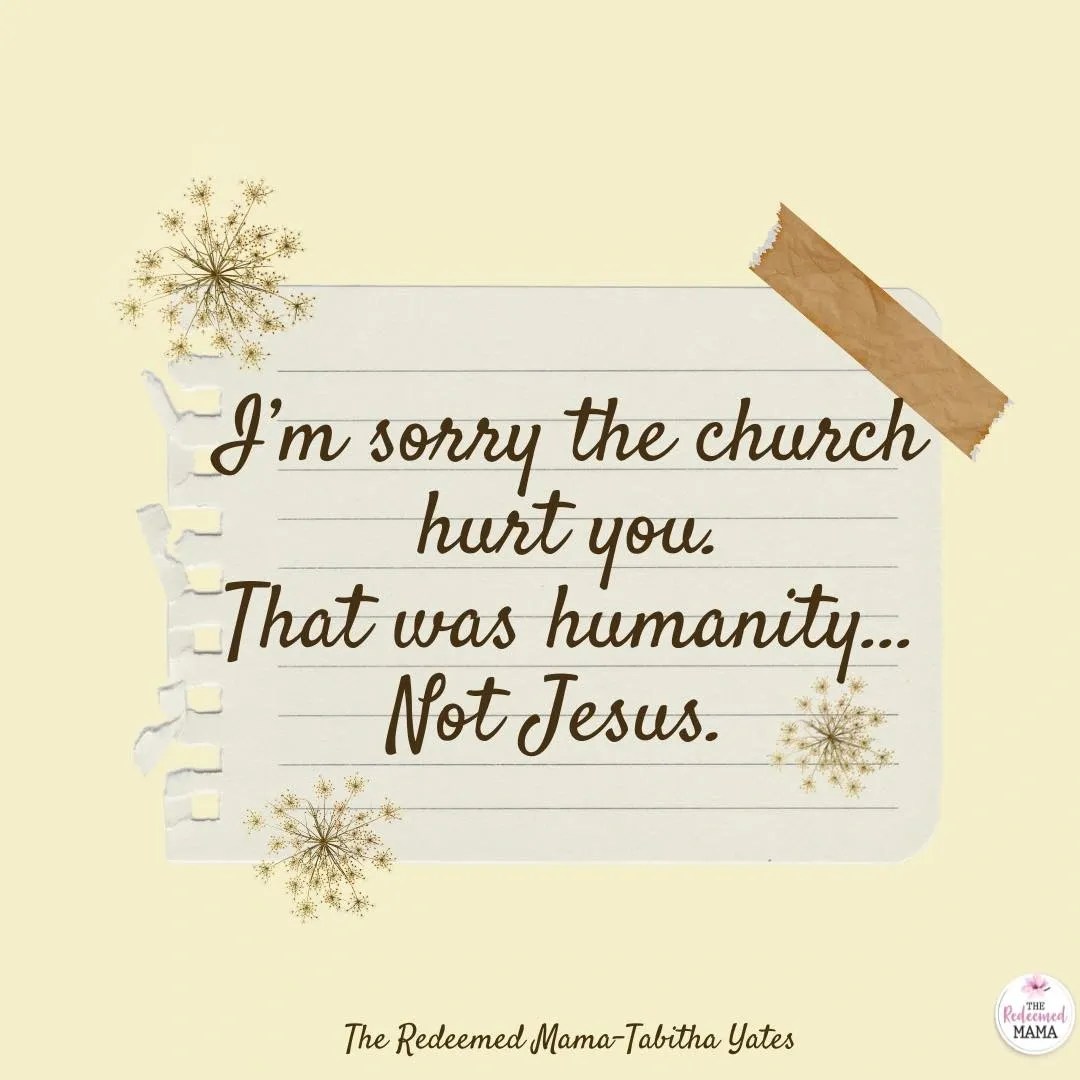
  • DEALING WITH CHURCH HURT BY JABEZ AYUGU

    We left church but not God”, “I like their Christ but not their Christianity” are some of the common phrases used by many of Christians who in one way or the other have been injured by the so-called brethren in Christ. These injuries may often result from unmet expectations, feeling judged and condemned, isolation, broken trust and even broken friendships or relationships with a fellow church mate/ Christian.

    We need to understand that Christians are still normal human beings with special ability of the Holy Spirit, so making mistakes is not an exception and the mistake may hurt you in a way or the other. I do understand that even in the confines of the church, born again people can hurt us and fracture our hearts but this should not push us out of the church but instead push us into Jesus and his love.

    Well, troubled and hurt brother or sister, If Jesus chose to carry the hurt caused by those around Him what do you think would be our story? what did Jesus choose to do?Those that hurt Him were the so called saints of that time. How did He deal with them? Let us look at the scripture;

    Colossians 3:13-14
    “Bear with each other and forgive one another if any of you has a grievance against someone. Forgive as the Lord forgave you. And over all these virtues put on love, which binds them all together in perfect unity.”

    We need to understand that church hurt doesn’t invalidate the overall value of the faith and the principles that were left by Christ. In other words, it doesn’t make every Church ‘hell’. This is so helpful to build a broken trust and establishing new church relationships.

    First, Christ left us a commandment to forgive others as a prerequisite for us to be forgiven by God. Sometimes we just forgive not because the wrong doer has asked for forgiveness but because it’s God’s desire and also it Gives us enough peace. Healing from church hurt is a personal and intentional journey and it involves forgiving those who caused the harm.

    It also involves seeking professional help in extreme cases where a therapist would come in handy to help you out of the pain and agony caused. It is of importance that the therapist should be of the same faith.

    Healing from church hurt can also be done by separating completely or taking a break from the hurting group or church if the hurting is always being repeated and finding another place that God will lead you so us to avoid the wound from growing worse.

    Personal development and growth are of valueless help to get over a hurting process. It helps you focus on yourself and ensure if happens again impact is so minimized and reduced to the least effect. Spiritual health is the most crucial part of life of any believer hence spiritual growth will play the biggest help in the whole process of healing from church trauma.

    Reconciliation with the specific individuals who the drift came with is again priceless. Reconciliation fosters genuine repentance from the offenders. It should be done with a third party who is neutral but a spiritual leader or even a sound believer who will show the council of God in the whole scenario. At this point let us refresh our mind and renew it with what the Word says;

    Matthew 18:15-17 (NIV)“If your brother or sister sins, go and point out their fault, just between the two of you. If they listen to you, you have won them over. But if they will not listen, take one or two others along, so that ‘every matter may be established by the testimony of two or three witnesses.’ If they still refuse to listen, tell it to the church…”

    Above all, the help of the spirit is all that matters in helping one to heal from not only church hurt but any wound. He is ever close in distress, pain and even in best life moments. He stays closer than a brother. You have a wound so deep that you feel it’s too deep for you to forgive,allow the Holy Spirit to help you heal. Give up trying to heal by yourself.He knows you are hurting and He is so ready to help you heal. surrender the hurt heart and let Him do a heart surgery. Quitting church is not the option. Quit the stony wounded heart and let God teach you to forgive and love. He is the best reconciler who needs no certificate in reconciliation.

    “He heals the brokenhearted and binds up their wounds.”

    If being hurt by the church makes you loose your faith in God then your faith was in people but not God. This is food for thought. I will leave you to ponder on this quote ;

    “Church hurt is one of the most difficult wounds to heal, but you must remember that the church is full of broken people trying to be whole. Healing begins when you stop expecting perfection from people and start looking for grace from God.”( T.D JAKES)